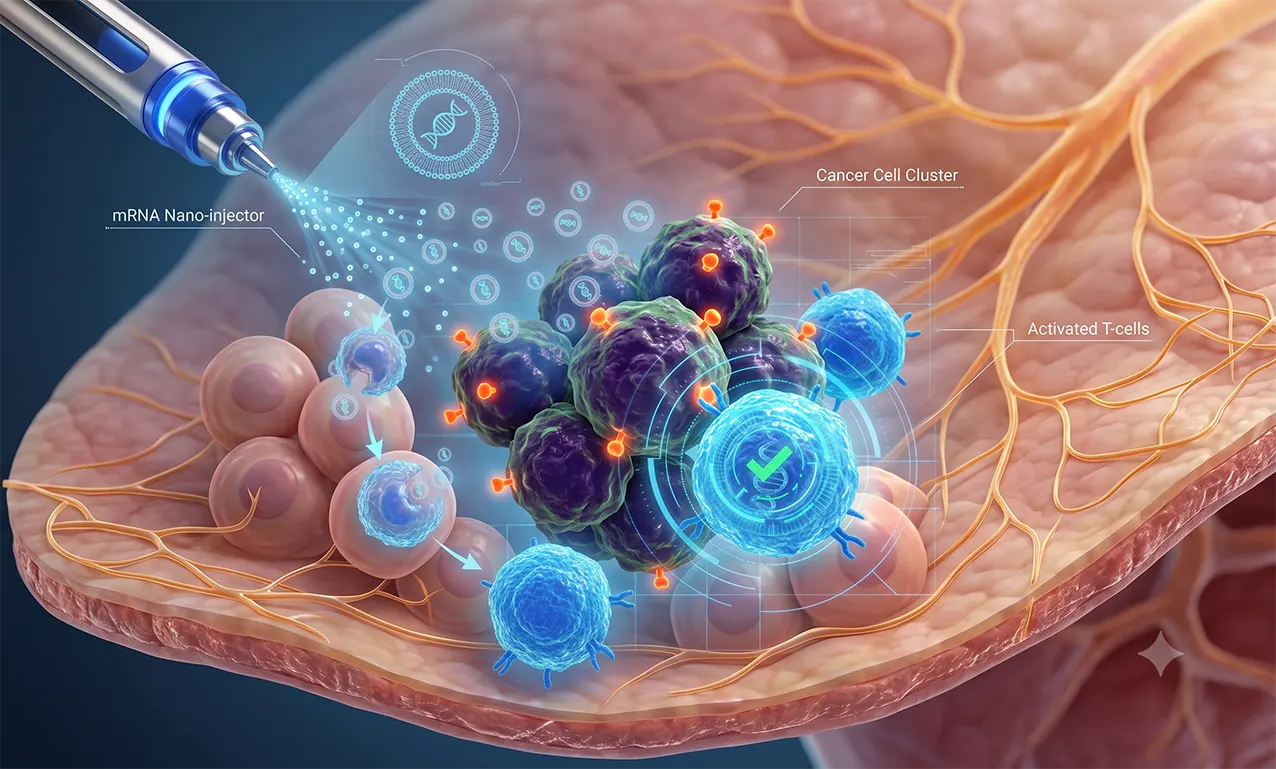
Recent breakthroughs are redefining what is medically possible, offering hope for previously untreatable conditions and fundamentally altering the landscape of patient care.
Precision Gene Editing: CRISPR-Cas9
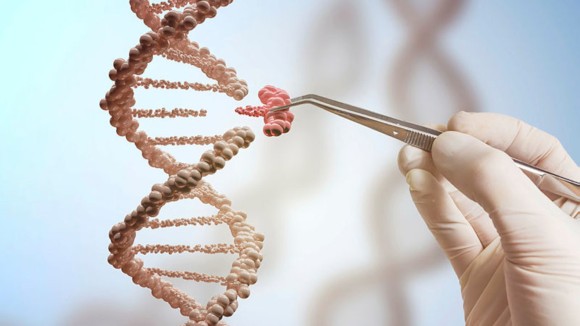
CRISPR-Cas9 has revolutionized genetics by allowing scientists to make accurate, targeted changes to DNA sequences. By utilizing the Cas9 enzyme as "molecular scissors," this technology can cut and modify specific genetic codes. Its applications extend from potentially curing hereditary diseases, like sickle cell anemia, to developing robust, drought-resistant crops. Recently, early clinical applications have shown immense promise, with personalized CRISPR treatments successfully administered to patients, drastically reducing their reliance on traditional medications.
Key insight: The ability to precisely target and alter DNA at the molecular level is shifting medicine from managing genetic diseases to potentially curing them at their source.
Artificial Intelligence in Healthcare
Artificial Intelligence (AI) has transitioned from theoretical models to practical, everyday applications in clinical settings. It is significantly enhancing diagnostic accuracy, forecasting treatment responses, and streamlining the long, costly process of drug development.
AI algorithms are now outperforming human experts in specific image-based diagnoses. For instance, AI systems trained on vast datasets of electrocardiograms (ECGs) have demonstrated superior capability in detecting heart disease compared to some cardiologists. Furthermore, tools like the open-source InnerEye deep learning toolkit can reduce the time required to prepare and plan radiotherapy for certain cancers by up to 90%, accelerating access to life-saving treatments.
mRNA Technology
The rapid development and success of the COVID-19 vaccines cast a massive spotlight on messenger RNA (mRNA) technology.
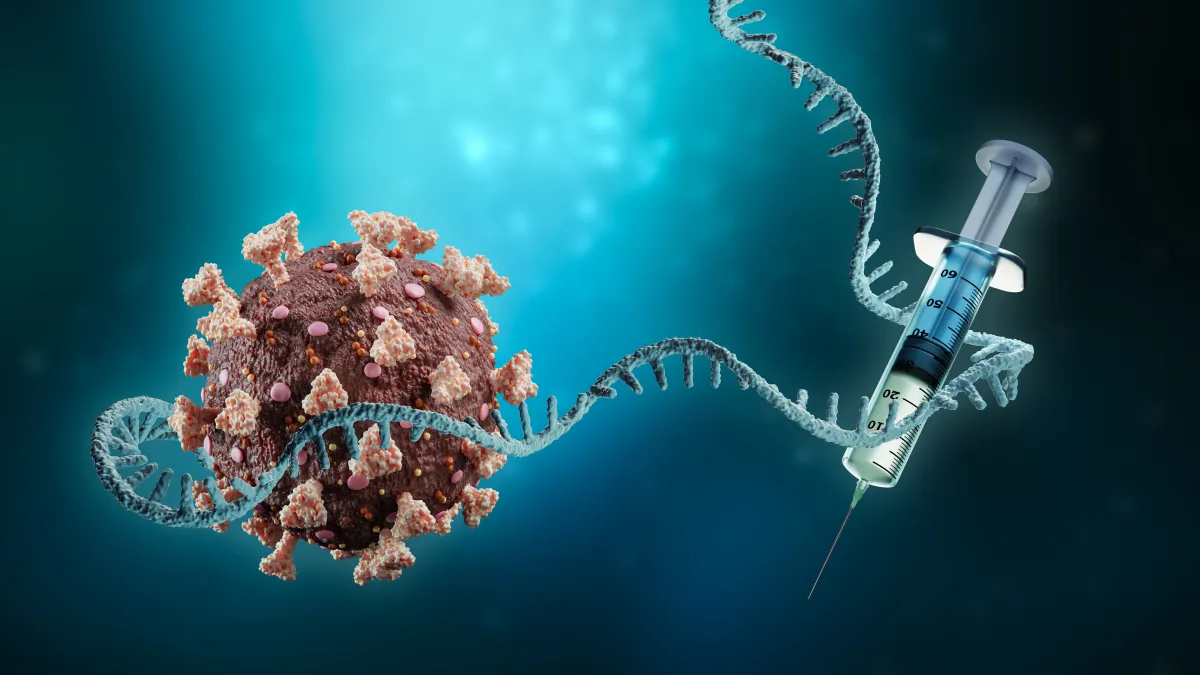
Unlike traditional vaccines, mRNA vaccines work by providing a genetic code to cells, instructing them to produce viral proteins that trigger an immune response. Because mRNA can be engineered to code for almost any protein, this technology holds vast potential beyond infectious diseases. Researchers are actively exploring mRNA-based treatments for various cancers and other complex diseases. This approach could significantly cut development times and production costs by effectively using the human body as its own bioreactor to manufacture therapeutic proteins.
Virtual Care and Telemedicine
The digital age has catalyzed a new era for healthcare delivery, overcoming geographic barriers and making care more accessible. Telemedicine allows healthcare professionals to consult, diagnose, and treat patients remotely, reducing the need for physical travel.
This approach is continually expanding in scale. For example, the launch of fully virtual hospitals linking hundreds of clinics can now treat hundreds of thousands of patients annually. When combined with wearable technology that provides real-time data on vital signs and health metrics, telemedicine empowers both patients and providers to engage in proactive, timely interventions long before a condition requires emergency care.